

Caesarean Section in Adana: Process, Cost Factors and Recovery
This article is for general information only and does not replace a personal medical consultation.
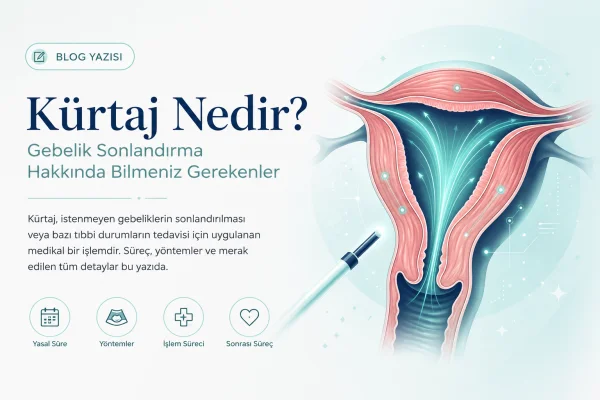
A caesarean section is a method of delivery used when vaginal birth is not suitable or at the mother's preference. The baby is delivered through surgical incisions in the abdominal and uterine walls. Op. Dr. Hüseyin Kılıç, obstetrician and gynaecologist in Ziyapaşa, Adana, aims to offer expectant mothers a safe and comfortable birth process.
What Is a Caesarean Section?
It is the delivery of the baby through a surgical procedure on the mother's abdomen, preferred when vaginal birth is not possible or risky, and also possible at the mother's request. It can be planned in advance or become necessary as an emergency during labour.
Why Is It Performed?
- Medical reasons: breech position, multiple pregnancy, maternal conditions such as high blood pressure or diabetes, a large baby or placental problems.
- Labour not progressing: a caesarean may be the emergency solution.
- Previous caesarean: a repeat caesarean may be recommended in some cases.
- Mother's preference: for a planned, controlled birth.
The most suitable method for you and your baby should be decided together with your doctor.
Caesarean Care with Op. Dr. Hüseyin Kılıç
Op. Dr. Hüseyin Kılıç takes a patient-centred approach, follows each step carefully, uses modern surgical techniques, creates an individual birth plan and performs the operation under sterile conditions with attention to the mother's comfort.
What Affects the Cost?
The cost may vary depending on whether the birth is planned, the type of anaesthesia, the hospital and its equipment, the length of the hospital stay and any additional care needed. Please contact the clinic for detailed information.
How Is It Performed?
- Anaesthesia: usually epidural or spinal, so the mother remains awake while numb from the waist down; general anaesthesia is also possible.
- Incisions: the doctor reaches the baby through the abdominal and uterine walls.
- Birth: the umbilical cord is cut and the baby is shown to the mother.
- Closure: the uterus and abdomen are closed with sutures.
The operation usually takes 30–45 minutes, and a hospital stay of a few days may be needed.
Recovery
Recovery may take somewhat longer than after vaginal birth. Rest in the first days, pain relief prescribed by the doctor, keeping the wound clean, light exercise on the doctor's advice and early breastfeeding all help. Full recovery usually takes 4–6 weeks; do not miss follow-up visits.
Benefits and Risks
A caesarean allows a planned, controlled birth, is a safe solution in emergencies such as non-progressing labour or unfavourable position, and anaesthesia prevents pain during the birth. As surgery, it carries risks such as infection, bleeding, longer recovery and a scar; these risks are reduced when performed by experienced doctors in sterile operating conditions.
Frequently Asked Questions
Is a caesarean painful?
No pain is felt during the birth with epidural or spinal anaesthesia; mild abdominal pain may follow.
How long does it take?
Usually 30–45 minutes.
Is vaginal birth possible after a caesarean?
In some cases (VBAC), yes; each case requires the doctor's evaluation.
How long is the hospital stay?
Usually 2–3 days, shorter if the patient is stable.
When can I get up?
Usually 6–8 hours after birth for gentle standing and short walks; movement supports recovery.
In Adana
Expectant mothers from Seyhan, Çukurova, Yüreğir and Sarıçam can contact the clinic of Op. Dr. Hüseyin Kılıç in Ziyapaşa, Adana, for information and appointments.