

What Is Endometriosis? Symptoms, Diagnosis and Treatment
This article is for general information only and does not replace an individual medical examination.
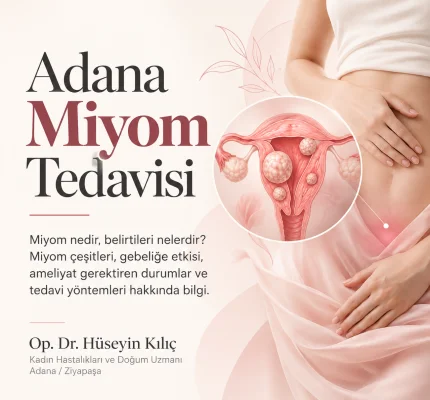
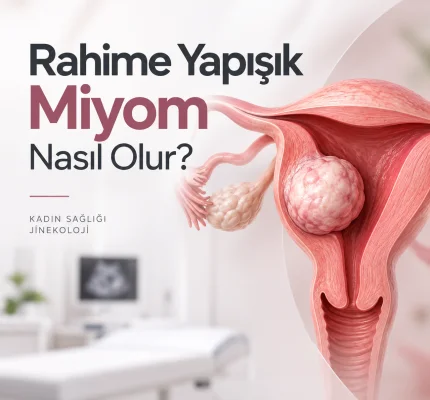
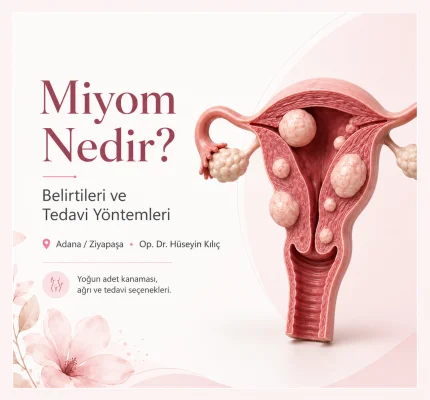
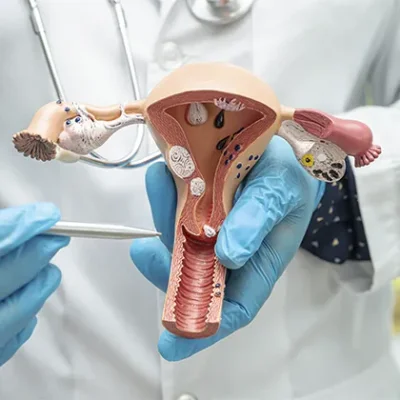
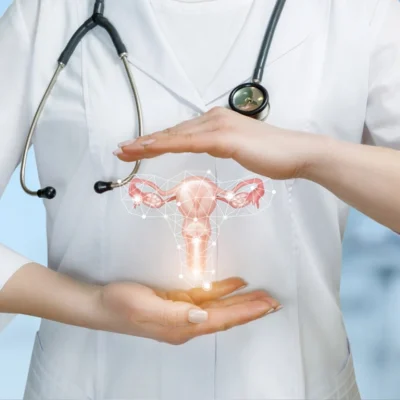
Endometriosis is a chronic condition in which tissue similar to the lining of the uterus is found outside the uterus – on the ovaries, around the fallopian tubes, on the ligaments around the uterus, on the pelvic peritoneum and near the bowel or bladder. These foci can cause inflammation, adhesions and pain. The extent of the disease does not always match the severity of the pain. In this article, Op. Dr. Hüseyin Kılıç, gynecologist in Ziyapaşa, Adana, summarizes the key points.
What Are the Symptoms of Endometriosis?
- Severe menstrual pain and pelvic pain starting before the period
- Chronic lower abdominal pain
- Pain during or after intercourse
- Pain with bowel movements or urination during menstruation
- Bloating, back and groin pain
- Difficulty getting pregnant; heavy or irregular bleeding
These symptoms are not specific to endometriosis. Severe period pain that keeps you from work or school, increasing need for painkillers or pain that worsens with age should be evaluated rather than accepted as normal for years.
Causes
No single mechanism explains endometriosis. Genetic predisposition, hormonal and immune factors, and cellular and environmental factors may play a role together. Risk may be higher if a family member has endometriosis.
Endometriosis and Chocolate Cysts
Endometriosis is the general name of the disease. A chocolate cyst (endometrioma) is a cyst filled with old blood that forms when endometriosis settles in the ovary. Every chocolate cyst is related to endometriosis, but endometriosis is not limited to the ovaries. In women planning pregnancy, the relationship between the cyst and ovarian reserve should be assessed.
Does Endometriosis Prevent Pregnancy?
Not every woman with endometriosis is infertile; many conceive naturally. In some, adhesions around the tubes, reduced ovarian reserve, chocolate cysts or distorted pelvic anatomy can make pregnancy harder. Age, ovarian reserve, tubal status, the partner's sperm values and the extent of disease are evaluated together.
Diagnosis
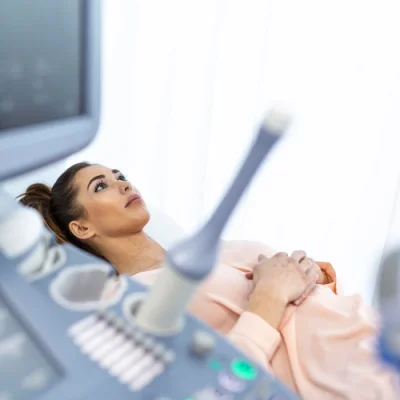
Evaluation starts with a detailed history, gynecological examination and transvaginal ultrasound; MRI may be used when needed. Chocolate cysts and some deep endometriosis findings can be seen on ultrasound, but a normal ultrasound does not always exclude endometriosis. Surgery is not required for diagnosis in every suspected case.
Treatment
Treatment depends on the patient's complaints and goals and may include follow-up, pain control, hormonal treatment, surgery or fertility-oriented treatment. Hormonal therapy can suppress the cycle and help control pain; the choice depends on age, pregnancy plans and other health conditions. Endometriosis is often chronic and does not usually disappear on its own, although complaints often decrease after menopause.
When Is Surgery Needed?
Not every patient needs surgery. It may be considered for severe pain despite medication, large or symptomatic chocolate cysts, organ involvement, cysts requiring detailed assessment, some infertility situations or complaints that severely affect daily life. In suitable patients, laparoscopic (keyhole) surgery is used. Preserving healthy ovarian tissue is important, especially in women who want children; age, AMH, cyst size and previous ovarian surgery are considered.
Deep Endometriosis, Pain and Bowel Involvement
In deep endometriosis, lesions extend into the ligaments, bowel, vagina or bladder region, causing severe pelvic pain, deep pain during intercourse, painful bowel movements during menstruation and bowel or urinary complaints. Such symptoms alone do not confirm the diagnosis and require detailed evaluation.
Recurrence, Cancer and Menopause
Endometriosis can recur after treatment, so long-term follow-up matters. Endometriosis is not cancer, and most women with it never develop cancer; however, ovarian masses that change on ultrasound, especially after menopause, should be evaluated. New pelvic pain, bleeding or an ovarian mass after menopause should never be considered normal.
Frequently Asked Questions
Does endometriosis always require surgery?
No. Treatment is based on symptoms, extent of disease and pregnancy plans.
Is endometriosis cancer?
No, endometriosis is not cancer.
Endometriosis Care in Adana
Op. Dr. Hüseyin Kılıç evaluates patients with endometriosis and chocolate cysts at his clinic in Ziyapaşa, Adana, and provides information on individualized follow-up and treatment options. Patients from Seyhan, Çukurova, Yüreğir and Sarıçam can contact the clinic for an appointment.