

Gynaecology: Which Conditions Does It Cover?
This article is for general information only; diagnosis and treatment require an evaluation by an obstetrician-gynaecologist.
Women's health may need regular evaluation at every stage of life, from adolescence and the reproductive years to pregnancy and menopause. Obstetrics and gynaecology is the medical field dealing with the diagnosis, follow-up and treatment of conditions affecting the female reproductive system and pregnancy. At his clinic in Ziyapaşa, Adana, Op. Dr. Hüseyin Kılıç evaluates each patient individually based on complaints, examination findings and the necessary tests.
What Is Gynaecology?
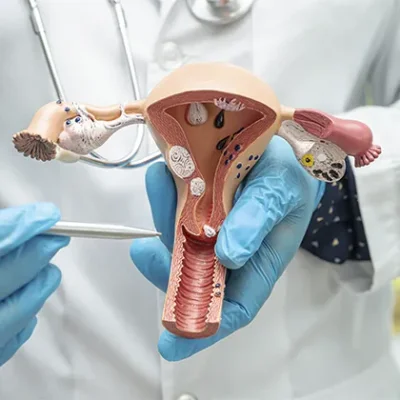
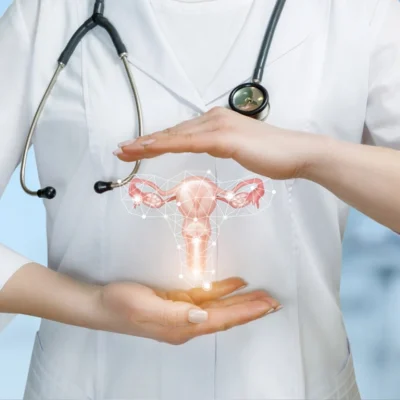
Gynaecology deals with diseases of the uterus, ovaries, tubes, cervix and vagina. A gynaecologist is not only consulted during pregnancy: irregular periods, pelvic pain, discharge, fibroids, ovarian cysts, HPV, urinary incontinence or menopausal complaints may all require evaluation. Regular check-ups can help detect some conditions before they cause noticeable symptoms.
Common Conditions
Polycystic Ovary Syndrome (PCOS)
A hormonal and metabolic condition that may cause irregular periods, excess hair growth, acne, hair thinning, difficulty controlling weight and ovulation problems. A polycystic appearance on ultrasound alone does not mean PCOS; symptoms and hormone findings must be assessed together.
Endometriosis and Endometrioma
A chronic condition in which tissue similar to the uterine lining grows outside the uterus. It may cause severe period pain, pain during intercourse, chronic pelvic pain and difficulty conceiving. Lesions on the ovaries are commonly called "chocolate cysts".
Fibroids
Mostly benign growths of the uterine muscle. Not all cause symptoms, but some lead to heavy or prolonged periods, anaemia, pelvic pain, bloating, frequent urination or constipation. Not every fibroid needs surgery; treatment is decided individually.
Ovarian Cysts
Very common; some appear during the menstrual cycle and disappear on their own. Size, appearance, growth, age and symptoms guide follow-up or treatment. Sudden, very severe pelvic pain may need urgent evaluation.
HPV, Smear Test and Cervical Health
HPV is a common sexually transmitted virus group; some types cause genital warts, while high-risk types are linked to cervical cell changes. HPV testing, smear tests or colposcopy may be needed. A positive HPV result alone does not mean cervical cancer, but proper follow-up matters. Cervical screening is important at the recommended ages and intervals even without symptoms.
Vaginal and Sexually Transmitted Infections
Fungal or bacterial infections may cause discharge, itching, burning, odour or discomfort. Rather than using medication at random, proper evaluation is advisable. Infections such as chlamydia, gonorrhoea and herpes may progress silently, so testing may be needed depending on risk.
Endometrial Thickening and Abnormal Bleeding
Irregular, intermenstrual, very heavy or post-menopausal bleeding may require evaluation of the uterine lining with ultrasound, biopsy or hysteroscopy.
Urinary Incontinence and Pelvic Organ Prolapse
Leakage when coughing, sneezing, laughing or exercising may indicate stress incontinence; sudden urgency suggests another type. Weakened pelvic floor tissues can cause the uterus or bladder to descend, with pressure, a dragging sensation or urinary problems. Not every prolapse needs surgery.
Menopause
Hot flushes, night sweats, sleep problems, vaginal dryness and mood changes may occur. Vaginal bleeding after menopause is not normal and should be evaluated.
Examination Methods
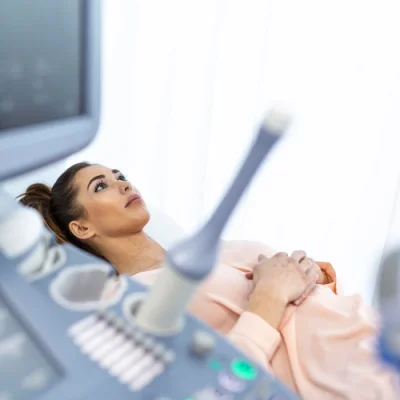
Depending on the complaint, gynaecological examination, ultrasound, smear and HPV tests, colposcopy, hysteroscopy, biopsy or advanced imaging may be used. Not every test is needed for every patient.
In Adana
Patients from Adana districts such as Seyhan, Çukurova, Yüreğir and Sarıçam can contact the clinic of Op. Dr. Hüseyin Kılıç on Ziyapaşa Boulevard for a gynaecological evaluation.