

Ovarian Cyst Treatment in Adana
This article is for general information only; the type of cyst and need for treatment must be assessed individually.
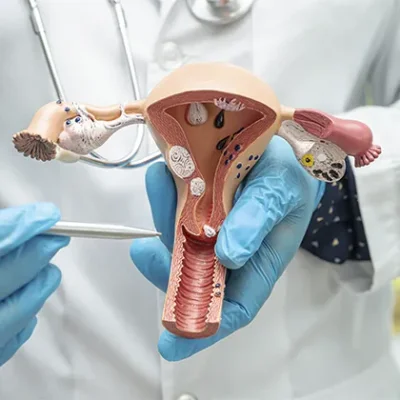
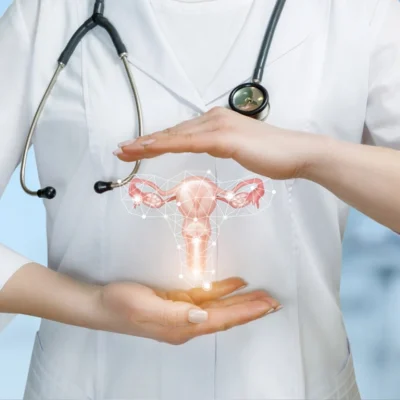
Ovarian cysts are mostly fluid-filled structures that develop in or on the ovaries. They are common in women of reproductive age and most are benign. Some are found incidentally on ultrasound, while others cause groin pain, irregular periods, bloating or a feeling of pressure. Not every ovarian cyst needs surgery: the plan depends on the type, size and ultrasound appearance of the cyst, the patient's age, complaints and pregnancy plans. Op. Dr. Hüseyin Kılıç evaluates patients with ovarian cysts in Ziyapaşa, Adana.
Symptoms
- One- or two-sided groin pain; pressure or fullness in the lower abdomen
- Bloating, irregular or painful periods
- Pain during intercourse, frequent urination, pressure on the bowel
- Back or pelvic pain
Causes and Types
Many cysts develop as a natural result of ovulation. Hormonal changes, endometriosis, pregnancy-related conditions, other cyst types and, more rarely, ovarian tumors can also appear cystic, so not every cyst is assessed the same way.
- Functional cysts (follicle and corpus luteum cysts): common and often shrink within a few cycles.
- Chocolate cyst (endometrioma): related to endometriosis; may accompany severe period pain, pelvic pain, painful intercourse or difficulty conceiving.
- Dermoid cyst: usually benign, may contain different tissues; may need follow-up or surgery because of size and torsion risk.
- Cystadenoma: can grow quite large.
- Hemorrhagic cyst: bleeding into a cyst; often regresses, but pain warrants closer evaluation.
At What Size Is a Cyst Dangerous?
Size alone does not decide. Internal structure, solid areas, septations, blood flow, age, menopausal status, complaints and change over time are considered together. A small cyst may need closer evaluation, while a larger simple-looking cyst may be followed.
Pain, Rupture and Torsion
Cysts can cause pain and sometimes affect the cycle, although irregular periods have other causes such as PCOS. A cyst can rupture; sudden severe pain, dizziness, fainting, cold sweats or marked weakness require urgent evaluation. Ovarian torsion – twisting of the ovary that disrupts its blood supply – causes sudden, usually one-sided severe pain, sometimes with nausea and vomiting, and may require emergency surgery.
Cysts, Fertility and Pregnancy
Most functional cysts do not affect fertility, but chocolate cysts and endometriosis may affect ovarian reserve. Cyst type, ovarian reserve, age, laterality and tubal status are assessed together. Cysts found during pregnancy are often hormonal and may shrink; others are followed closely according to pregnancy week and cyst features.
Diagnosis and Treatment
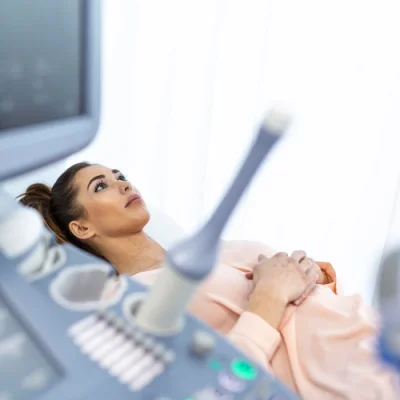
Ultrasound shows size, chambers, fluid or solid content and position; blood tests or further imaging may be added. Treatment may be follow-up, medical management or surgery. Surgery may be considered for large or growing cysts, persistent pain, torsion risk, rupture or bleeding, suspicious ultrasound findings, some postmenopausal cysts, endometriosis-related cysts or cysts affecting pregnancy plans.
Laparoscopic Surgery
In suitable patients, surgery is done laparoscopically through small incisions. The aim is to remove the cyst while preserving as much healthy ovarian tissue as possible; removing the ovary is not always necessary. Pregnancy is possible after surgery when the ovary is preserved, depending on age, reserve and cyst type.
Cysts After Menopause
Postmenopausal cysts are evaluated more carefully by ultrasound features, size, change over time and symptoms. Not every one is malignant.
Frequently Asked Questions
Is there a single size limit for surgery?
No. Structure, symptoms and age matter as well as size.
Is a chocolate cyst the same as an ovarian cyst?
A chocolate cyst is one type of ovarian cyst, but not all ovarian cysts are chocolate cysts.
Ovarian Cyst Evaluation in Adana
Op. Dr. Hüseyin Kılıç evaluates patients with ovarian cysts at his clinic in Ziyapaşa, Adana, and informs them about follow-up and treatment options. Patients from Seyhan, Çukurova, Yüreğir and Sarıçam can contact the clinic.